

Healthy Soils Week
Partner Toolkit
California's Healthy Soils Week shines a spotlight on the farmers, ranchers, and partners working to strengthen the foundation of our food system - the soil. Across the state, producers are implementing climate-smart practices that build organic carbon, improve water retention, enhance biodiversity, and increase resilience to drought and extreme weather. These efforts not only advance California's sustainability goals but also support long-term agricultural productivity and economic viability.
Healthy Soils Week is an opportunity to highlight how soil health serves as an entryway to lasting stewardship and innovation on working lands. We encourage partners to host events and share stories throughout the week that demonstrate how you are supporting healthy soils in your region. Together, we can amplify the collective impact of climate-smart agriculture and showcase how building resilience truly starts from the ground up.
For more details and resources, follow @cdfa_oars on Instagram, @CDFA_OARS on X, and CDFA Office of Agricultural Resilience and Sustainability on Facebook. #CDFAHealthySoilsWeek
Healthy Soils Program by the Numbers
- Funding Impact: Since its launch in 2017, $162.8 million has been awarded through 2,340 Incentive, Demonstration, and Block Grant on-farm projects supporting farmers and ranchers across California, as well as research and demonstration projects to support them.
- Environmental Benefits: Funded projects have sequestered 1.6 million metric tons of CO₂e — and counting — equivalent to removing 370,000 cars from the road for one year.
- Land Coverage: More than 190,000 acres of California farmland and ranchland are implementing new healthy soils practices through program support.
- Funding Sources: Supported by the Greenhouse Gas Reduction Fund, the California State General Fund, Proposition 68 (the 2018 Parks and Water Bond), and now Proposition 4 (the 2024 Climate Bond).
- Soil Health Benefits: Healthy soils practices may improve water infiltration, reduce erosion, enhance nutrient cycling, increase climate resilience of agricultural lands, and support long-term agricultural sustainability.
- Technical Assistance: CDFA has funded about 40 organizations to provide technical assistance to farmers and ranchers for these projects and has partnered with the University of California Agriculture and Natural Resources (UCANR) to maintain a statewide Climate Smart Agriculture team. Together, these efforts support outreach, grant applications, and project implementation.
- New Funding & Block Grant Opportunities: The Healthy Soils Program (HSP) and the State Water Efficiency and Enhancement Program (SWEEP) will soon begin accepting applications for Block Grant Recipients to administer funding through a localized, capacity-building, community-based approach.
- $40 million allocated for the State Water Efficiency and Enhancement Program (SWEEP)
- $65 million allocated for practices that improve soil health or accelerate carbon removal and sequestration
Social Media Posts
Instagram 1080x1350
Post 1
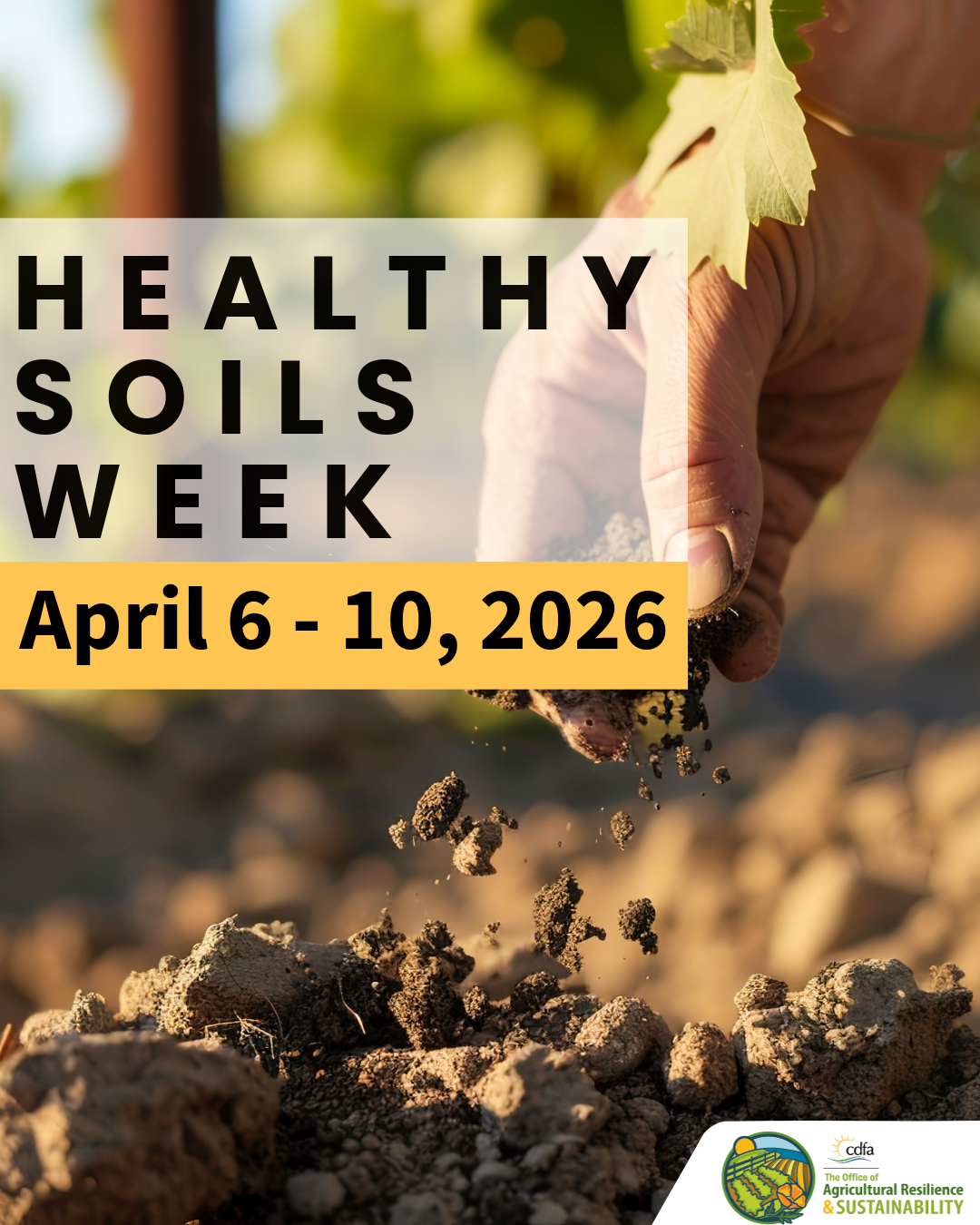
It's California Healthy Soils Week! (April 6–10, 2026)
Since 2017, @CDFA_OARS has invested $162.8 million in climate-smart agriculture through 2,340 Healthy Soils projects.
The impact?
- 1.6 million metric tons of CO₂e sequestered
- 190,000+ acres with funded practices
- Climate benefits equal to removing 370,000 cars from the road for a year
Developing healthy soils builds a more resilient and sustainable future for California agriculture.
Join us in celebrating the farmers and ranchers supporting the foundation of our food system.
Post 2
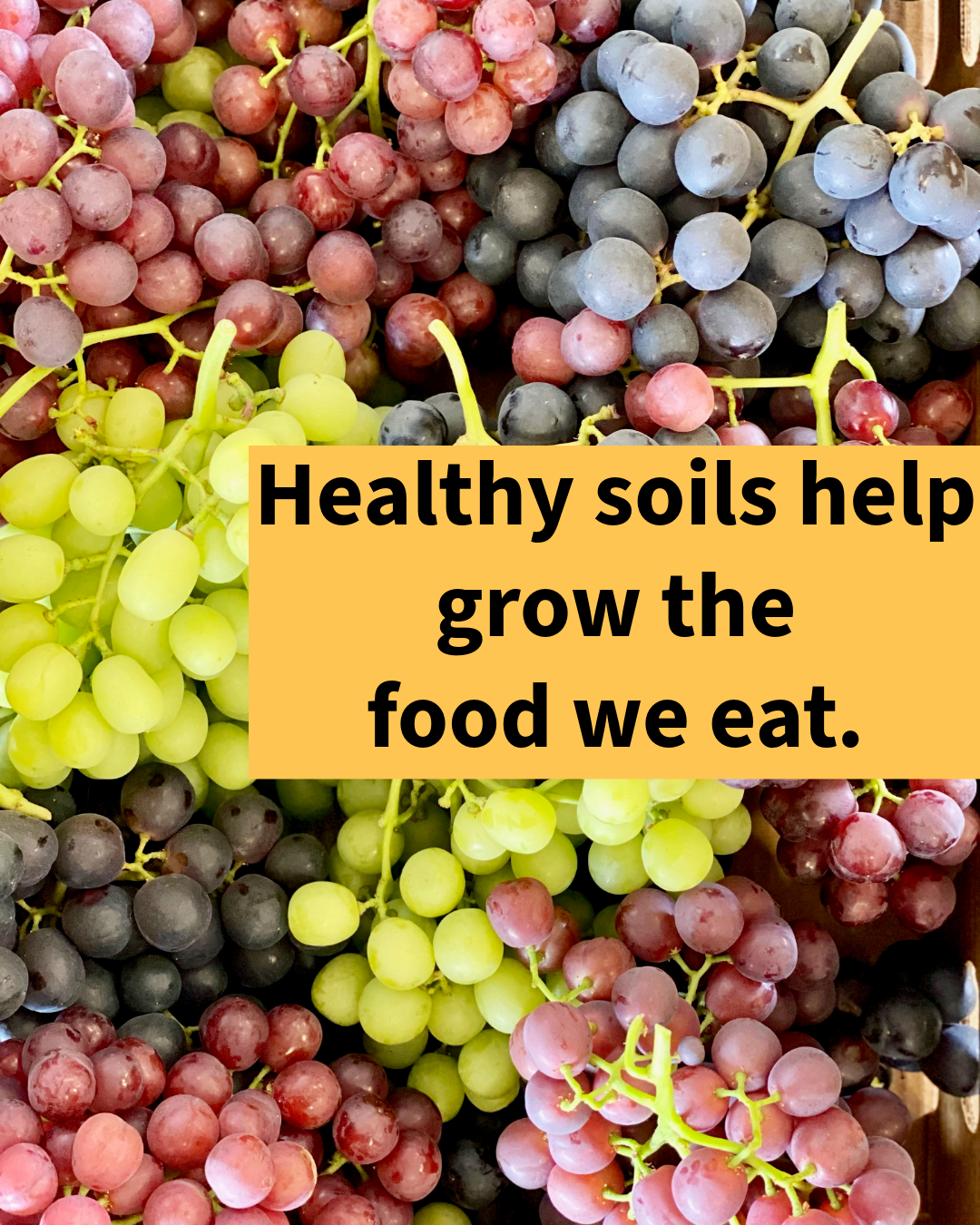
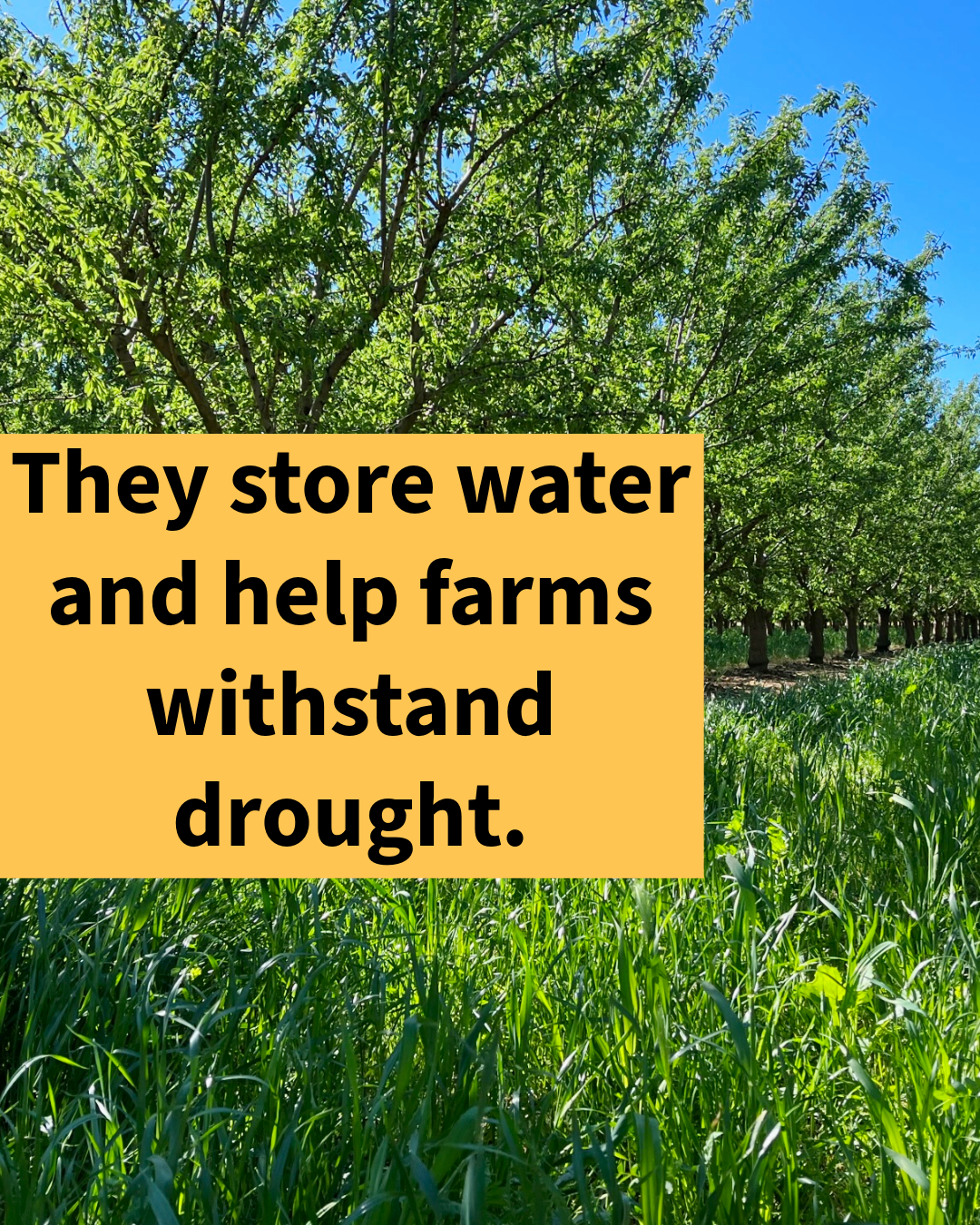
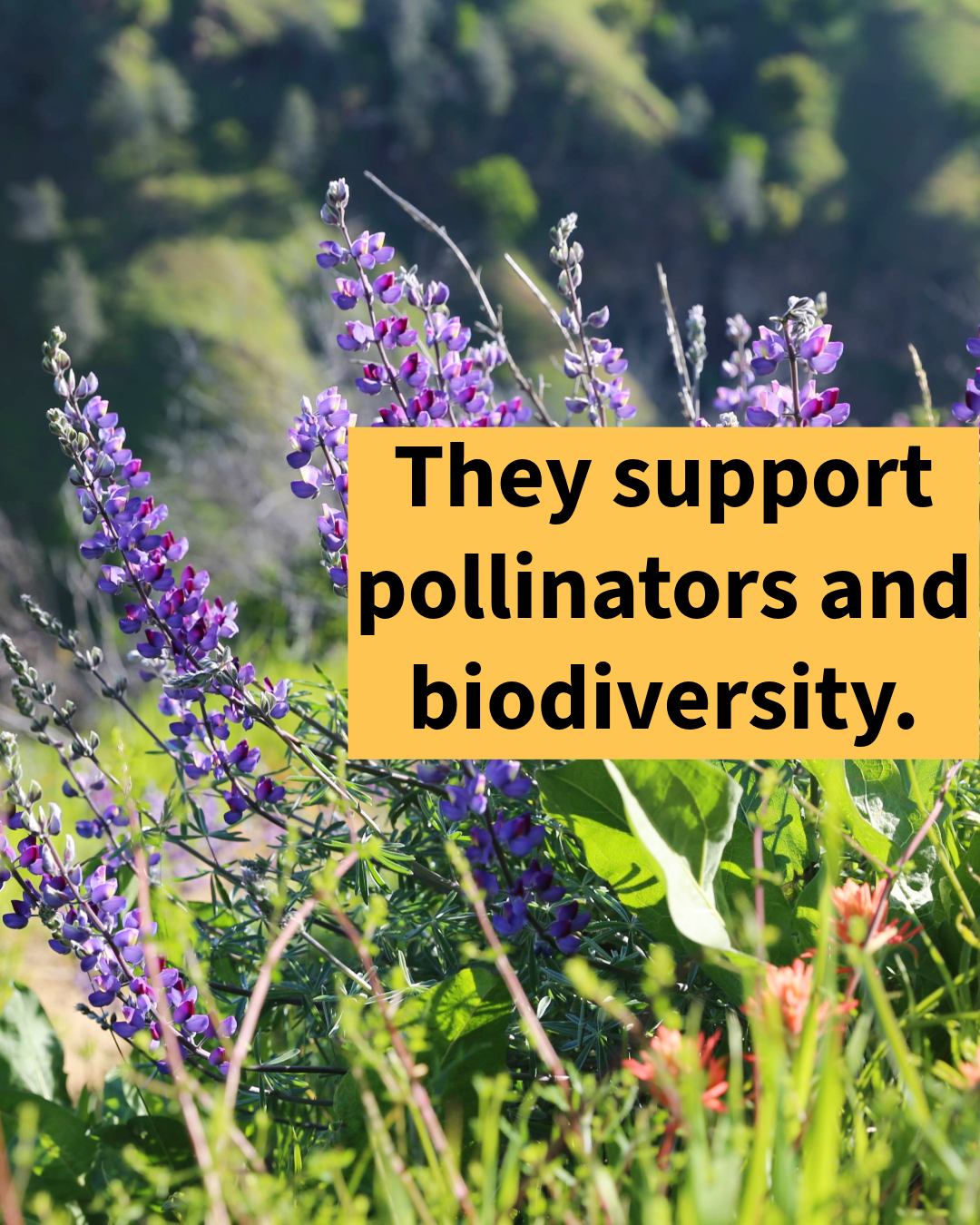
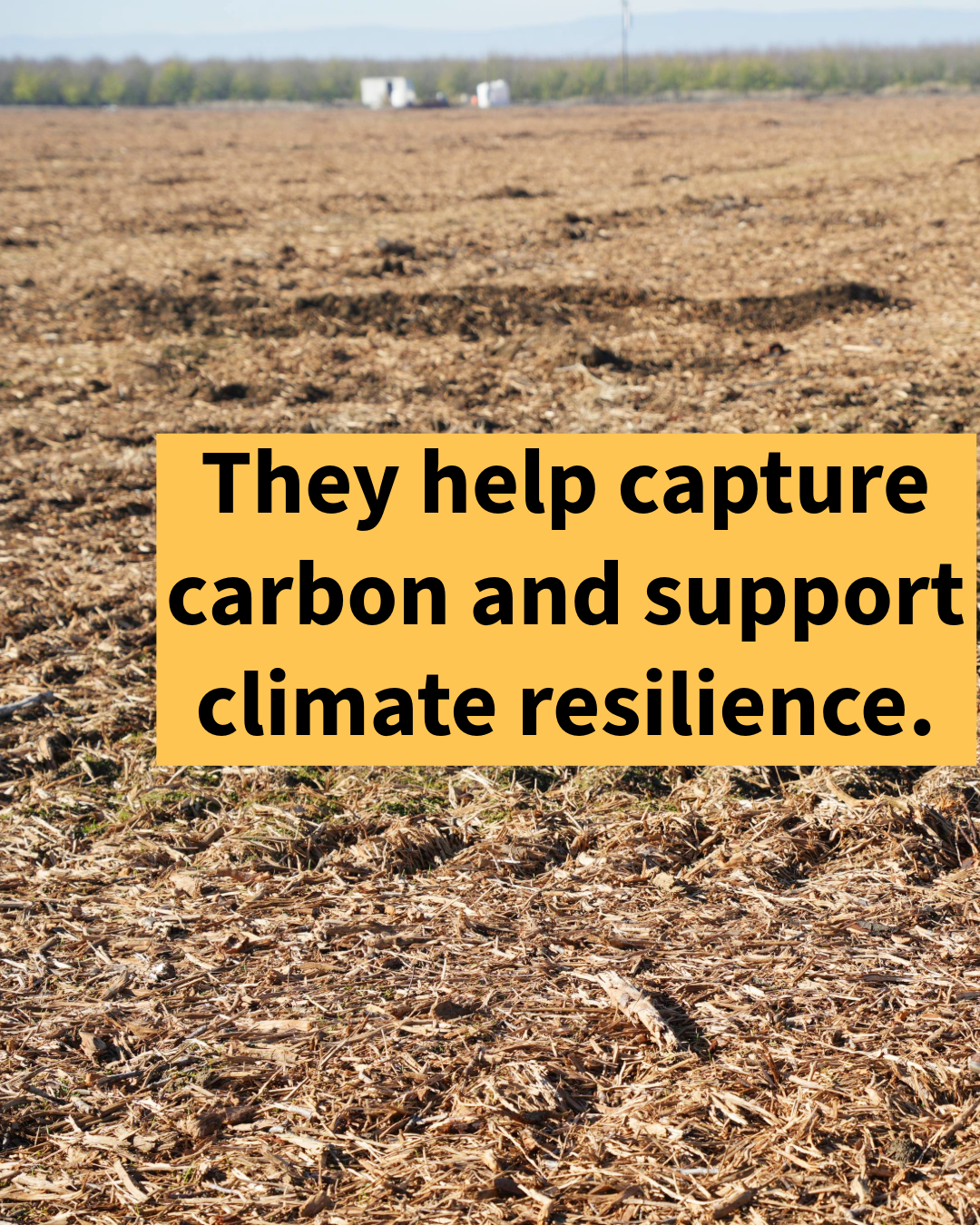
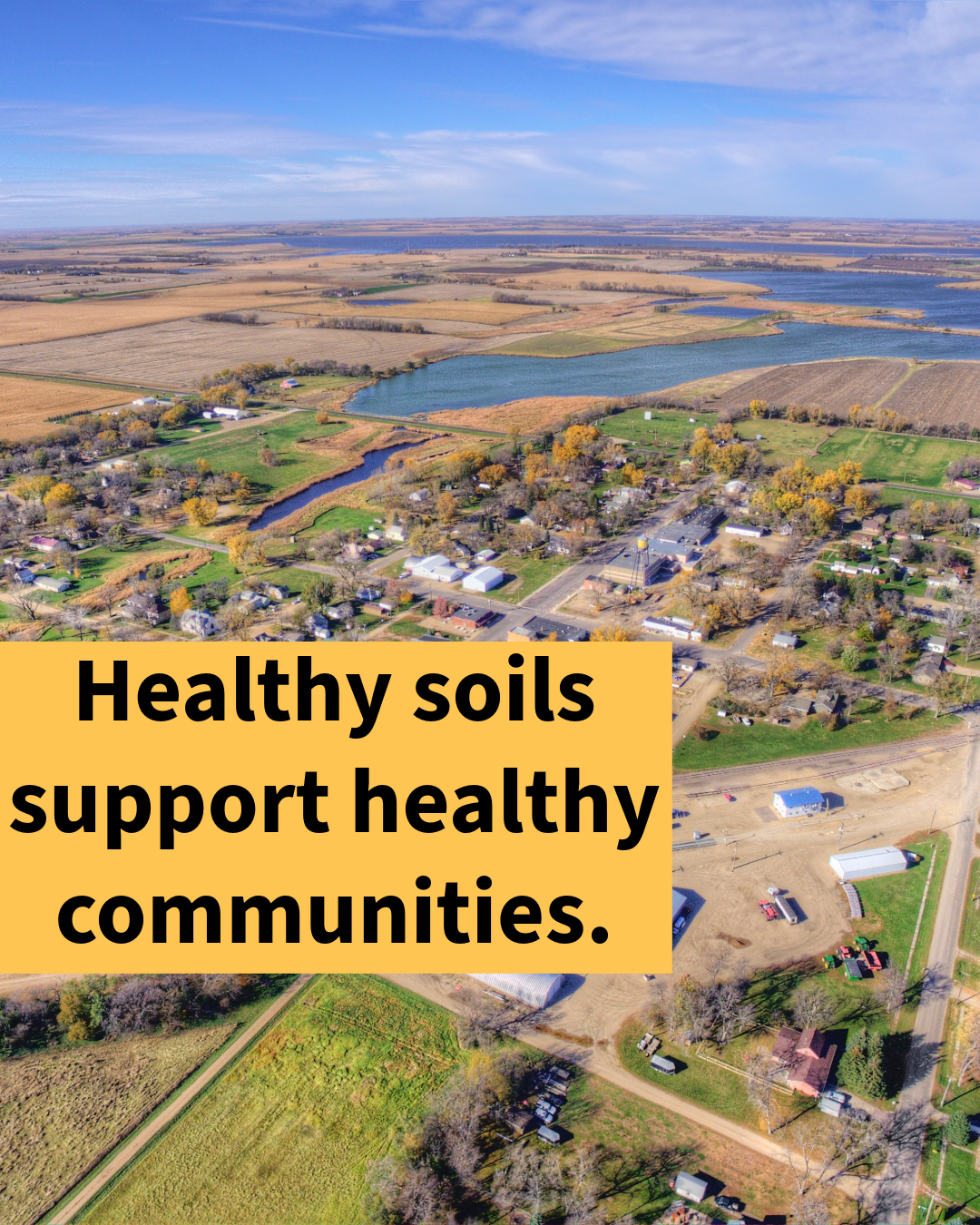
Healthy soils do more than support farms — they support all of us.
When soil is healthy, it can store more water, reduce erosion, capture carbon, and support biodiversity. These benefits help farmers grow nutritious food, protect surrounding ecosystems, and strengthen resilience to drought and extreme weather.
Practices like cover crops, compost application, hedgerows, and reduced tillage can help build carbon in the soil — improving the land from the ground up.
Healthy soils support healthier food systems, and more resilient farms and communities.
This #HealthySoilsWeek, we're celebrating the farmers, ranchers, and partners working every day to care for the soil that sustains us all.
Story Images 1080 x 1920
Story 1
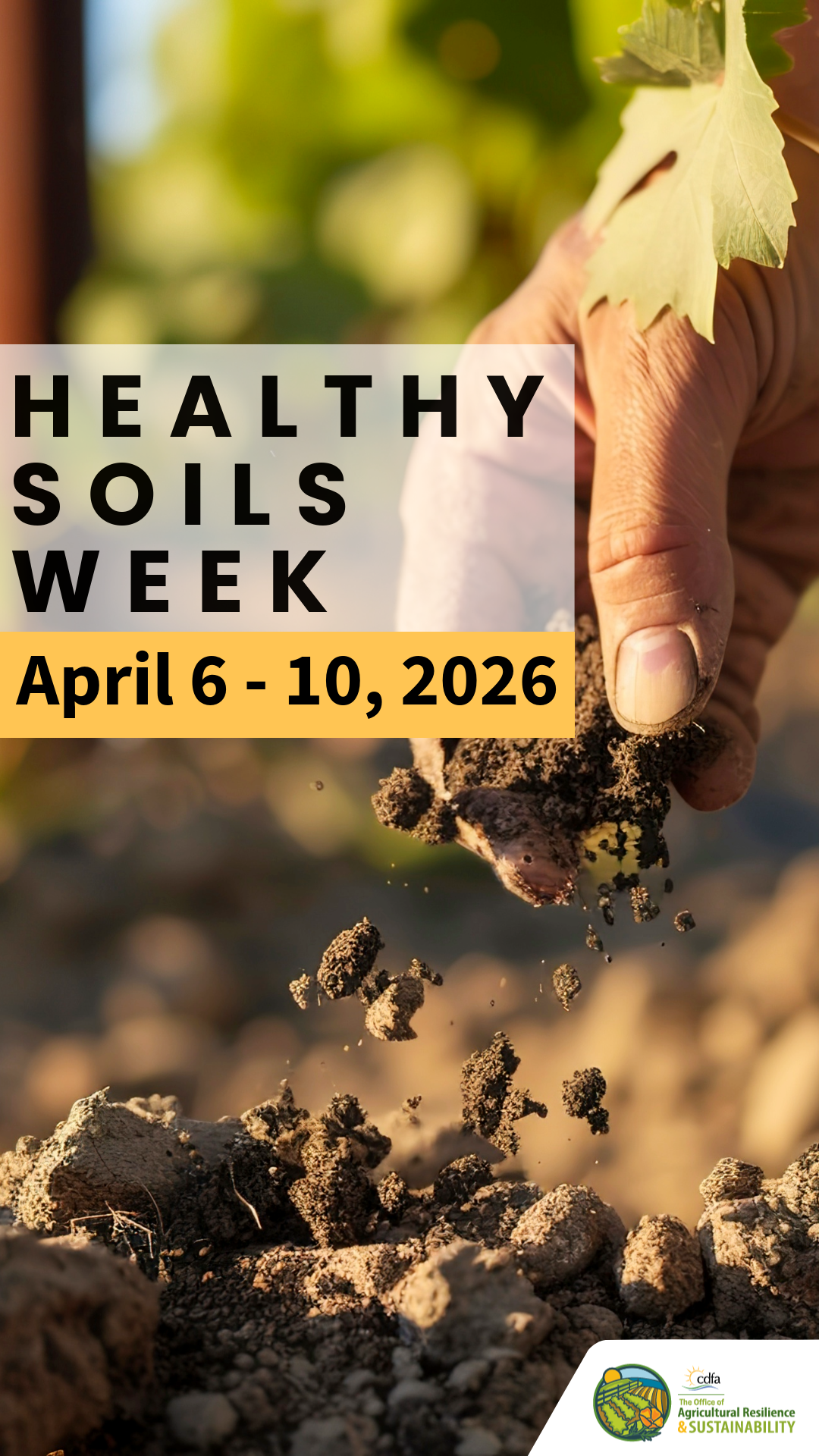
Virtual Backgrounds
Additional Resources
- Why We Should Compost — CalRecycle
- Compost and Mulch Use in Agriculture: Organic Materials Management — CalRecycle
- Home Composting — CalRecycle
- Tips to Start at Home Composting — CalRecycle
- A Quick Guide to Backyard Composting — CalRecycle
- Making More Compost Available for Farmers — CalRecycle
- On-Farm Compost Resources — CDFA
- Understanding the Science Behind Climate Smart Agriculture in California – Community Alliance with Family Farmers & University of California, Davis — CAFF
Best Practices for Posting
- Accounts – On Instagram, tag @cdfa_oars @cafoodandag. On X (Twitter), tag @CDFAClimateNews and @CDFAnews. On Facebook, tag Office of Agricultural Resilience and Sustainability and California Department of Food and Agriculture. Lastly, tag California Department of Food and Agriculture on LinkedIn.
- Hashtags – In post copy for Facebook and Instagram, use 3-5 hashtags per post. Include these 3 hashtags (#CaliforniaHealthySoilsWeek #SoilHealth #ClimateResilience).
- Emojis – Use no more than 4 related emojis at a time. Emojis can be used as bullet points or as punctuations.
- Length of Copy – Copy on image posts should be kept at a minimum to increase organic performance. Recommended character counts are listed by platform as follows:
- Facebook: 80-100 characters
- Instagram: 125-150 characters
- X (Twitter): 100-280 characters
Partners
 CDFA's Healthy Soils Program, launched in 2017, stems from the California Healthy Soils Initiative, a collaboration of state agencies and departments promoting the development of healthy soils on California's farmlands and ranchlands.
 CDFA's Fertilizer Research and Education Program (FREP) funds and facilitates research to advance the environmentally safe and agronomically sound use and handling of fertilizing materials.

The USDA Natural Resources Conservation Service has provided leadership in a partnership effort to help America's private landowners and managers conserve their soil, water, air, plants, and other natural resources since 1935. For more information about NRCS in California, please visit the NRCS website.

Community Alliance with Family Farmers (CAFF) conducts on-farm research, facilitates farmer-to-farmer learning, and provides technical assistance for a variety of climate smart farming practices. Check out the latest case study on cover crops in orchards.
The California Foundation for Agriculture in the Classroom is a nonprofit organization dedicated to educating youth throughout California about the importance of agriculture in their daily lives.

CalRecycle's mission is to protect the environment and preserve natural resources by promoting and supporting the highest levels of waste reduction, recycling, and reuse.
The Department of Water Resources manages California's water resources, systems, and infrastructure, including the State Water Project (SWP), in a responsible, sustainable way.

University of California Agriculture and Natural Resources (UCANR) brings UC information and practices to all 58 California counties. Through research and Cooperative Extension in agriculture, natural resources, nutrition, economic and youth development, our mission is to improve the lives of all Californians. Learn more at the UCANR website.

The National Center for Appropriate Technology (NCAT) facilitates meaningful connections among sustainable agriculture producers, renewable energy experts, innovators, researchers, and industry professionals. Learn more at the NCAT website.

Sustainable Conservation advances the collaborative stewardship of California's land, air, and water for the benefit of nature and people. The organization launched its Solutions in Our Soil program in 2023 to explore how improving the state's soil health can address community, agricultural, and environmental water challenges.
Infographics
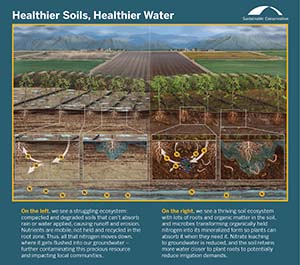
Healthier Soils, Healthier Water
Enlarge or print this infographic highlighting the connection between soil and water.
Illustration: SayoStudio.
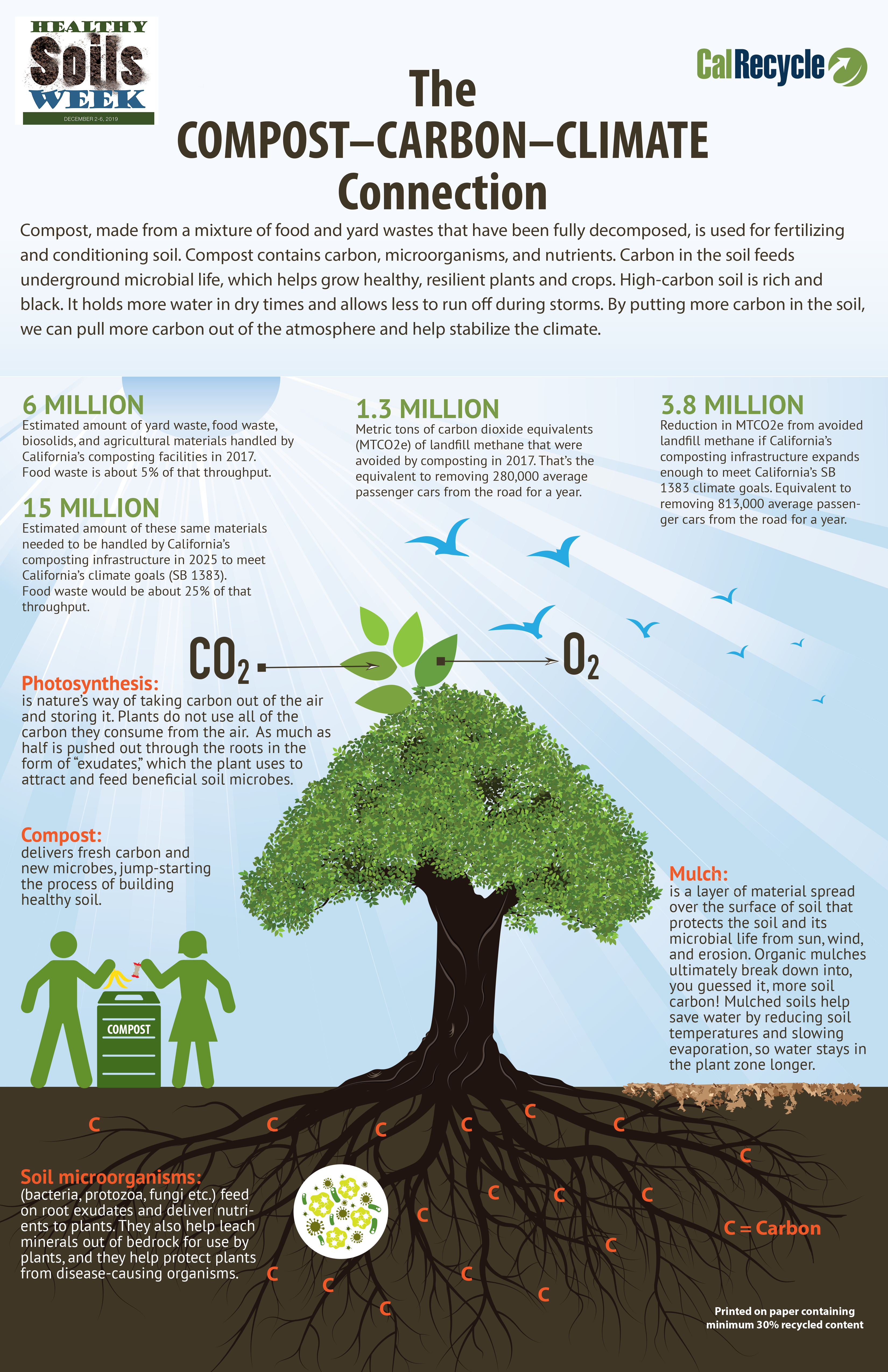
Healthier Soils, The Compost-Carbon-Climate Connection
Enlarge or print this infographic explaining the connection between compost, carbon and the climate.
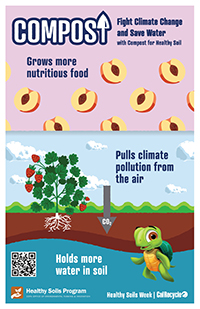
Compost for Healthy Soil
Enlarge or print this infographic explaining why compost for healthy soil.