The geography of California lays the foundation for the unique and wide-ranging growing environments that make the state an agricultural powerhouse. California's agricultural diversity is a testament to its varied microclimates. Each region's unique climate conditions and soils support different types of produce, crops, and other agricultural products; coupled with investments in irrigation infrastructure, it has become an agricultural wonder.
Generally, climate change in California is driving warmer temperatures and increasingly variable precipitation. Although all regions are experiencing warmer temperatures, the effects of climate change are felt differently region by region and require regionally appropriate approaches.
Climate Change Hazards
Impacts on California Agriculture
- Increasing pest and disease pressure, further impacting agricultural operations and lowering crop yields.
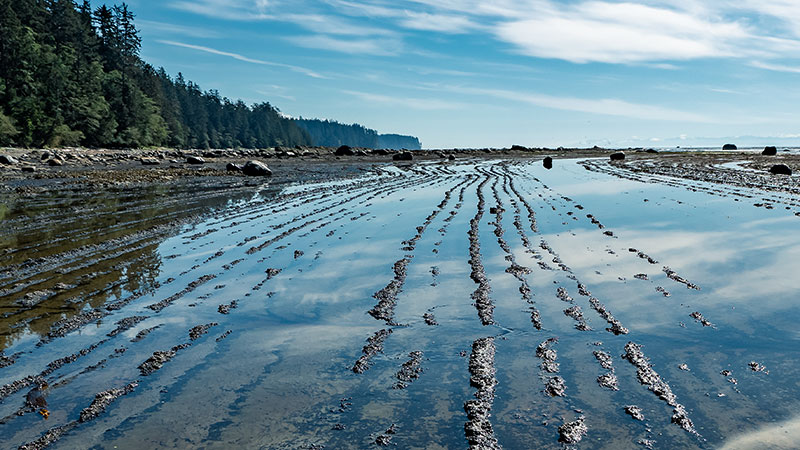
- Rising sea levels are causing saltwater intrusion that is impacting aquifers beneath low-lying coastal farms. Increased groundwater pumping in coastal aquifers exacerbates saltwater intrusion.
- Reduced surface water and increased evapotranspiration due to higher temperatures result in an increased need to pump groundwater, which can lead to degradation of water quality, depletion of interconnected surface waters, saltwater intrusion, reduced groundwater storage availability, and subsidence from the compaction of clays.
- Subsidence and depletion of interconnected surface waters have resulted in reductions of surface water deliveries.
- Decreasing crop yields, though impacts vary crop to crop.
- Decreasing nutritional value of foods, heightening the risk of increased nutritional deficiencies including in essential nutrients such as protein, iron, and zinc for millions of people around the world consuming California produce.
- Worsening working conditions for those in the agricultural industry.
- Diminishing meat and milk production as animals experience extreme heat events causing impacts ranging from discomfort to mortality.
Compounding the effects of climate change, production costs have also been on the rise narrowing profit margins for California’s farmers and ranchers. These margins are even narrower for those with fewer resources, particularly groups who have been historically underserved.
Greenhouse Gas Emissions
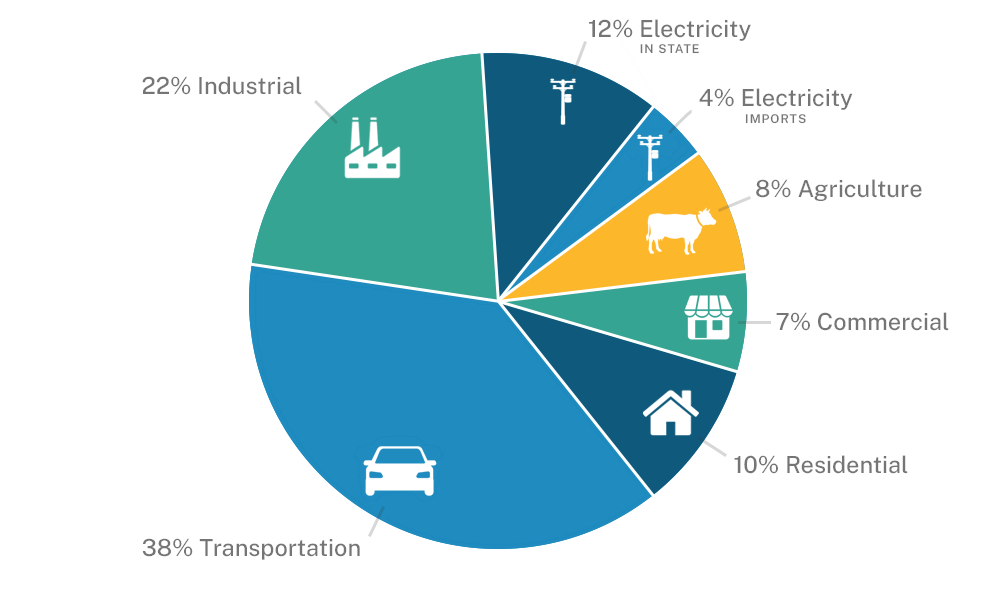
California is a leader in taking action to mitigate climate change through Greenhouse Gas (GHG) emission reductions and carbon sequestration, and in addressing the effects of climate change on its land, waters, people, infrastructure, animals, and plants. California agriculture is a relatively small slice of California’s greenhouse gas emissions pie—eight percent of total emissions—but has the potential to be part of the solution to the climate crisis.
Further, cropland and grassland carbon stocks represent only about 13 percent of total ecosystem carbon. These landscapes are well suited for implementing climate-smart practices which sequester carbon and reduce GHG emissions.
However, the benefits of practices that sequester carbon in soil and reduce emissions go far beyond carbon accounting: practices that build carbon also build resilience to climate change. Healthy soils practices, for example, increase the water holding capacity of soil and improve nutrient retention. They build soil organic matter and build structure that allows air and water to penetrate more easily, facilitating root growth and plant nutrient uptake. Healthy soil acts as a living system, reducing the need for expensive inputs and increasing resilience to heat, drought, pests, and intense rain.
For this reason, many of California’s guiding documents on climate change emphasize practices that improve the health and resilience of our crop and rangelands rather than solely focusing on maximizing carbon sequestration or reducing emissions.
Emissions Reductions Efforts
California has set statutory and regulatory requirements that guide our State towards achieving carbon neutrality by 2045, which will require reducing GHG 85 percent below 1990 levels and supporting carbon dioxide removal, as designated by AB 32, the Global Warming Solutions Act and updated with AB 1279.
Another complimentary law, SB 1383, mandates that California reduce methane emissions by 40 percent below 2013 levels by 2030. Dairy, livestock, and rice are agricultural contributors to methane emissions in California, and CDFA and other state agencies have been working to reduce those emissions (see chapter 12 on Dairy Farming Sustainability), which will aid the State in achieving its overall carbon neutrality goal.
2023 GHG Emissions by Main Economic Sector